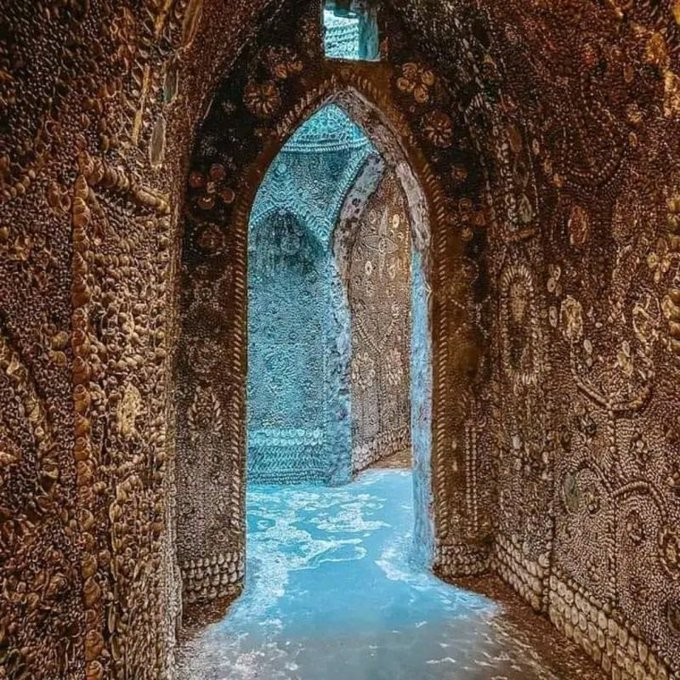
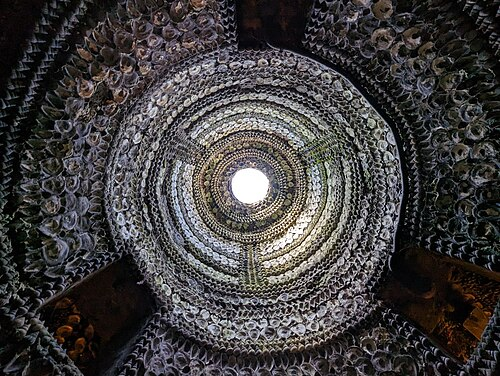
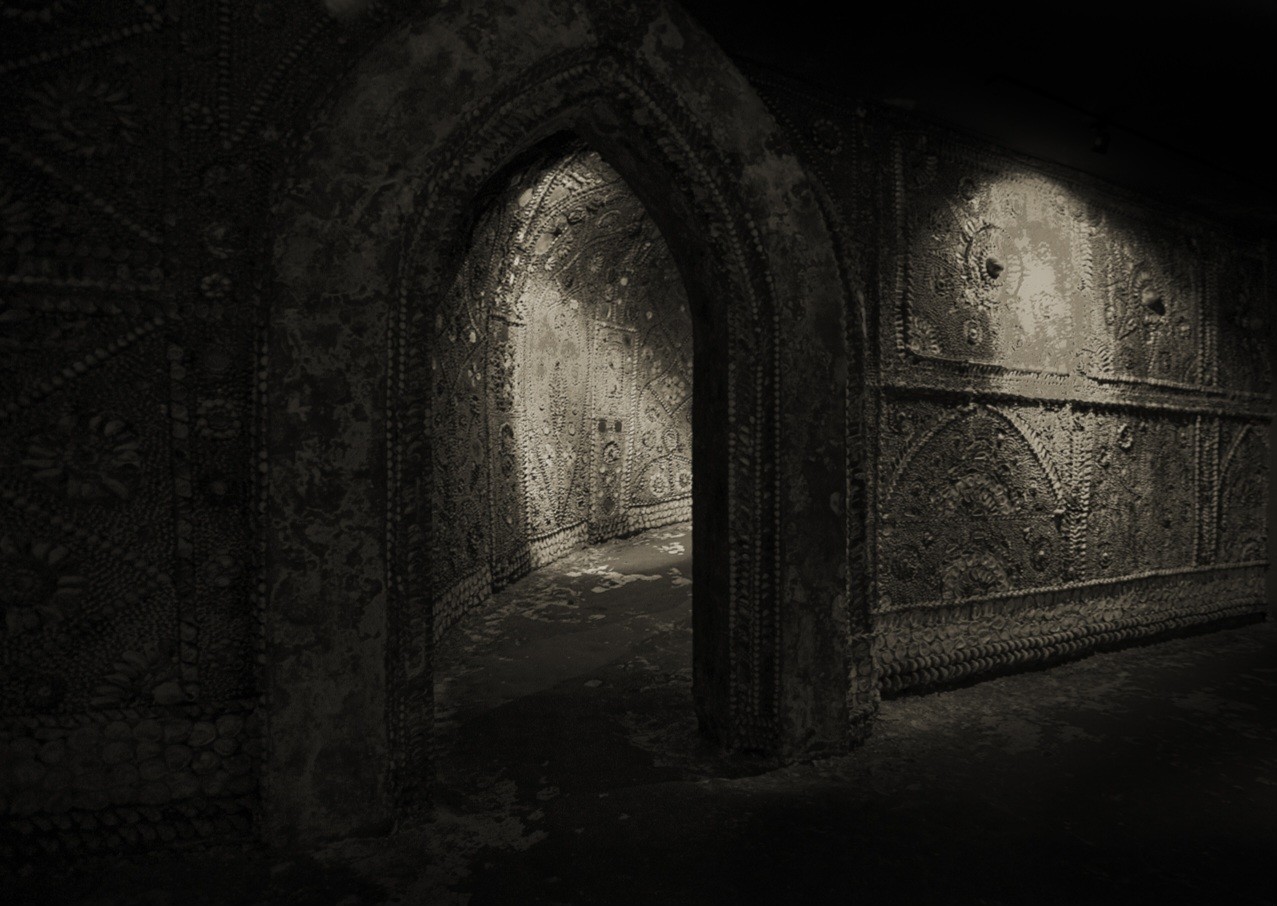
The Margate Shell Grotto is an ornate underground shell grotto in the seaside town of Margate, England. Consisting of about 4.6 million shells, it's age, creators, and purpose are unknown.
https://www.shellgrotto.co.uk/discover
Post
The Margate Shell Grotto is an ornate underground shell grotto in the seaside town of Margate, England. Consisting of about 4.6 million shells, it's age, creators, and purpose are unknown.
https://www.shellgrotto.co.uk/discover
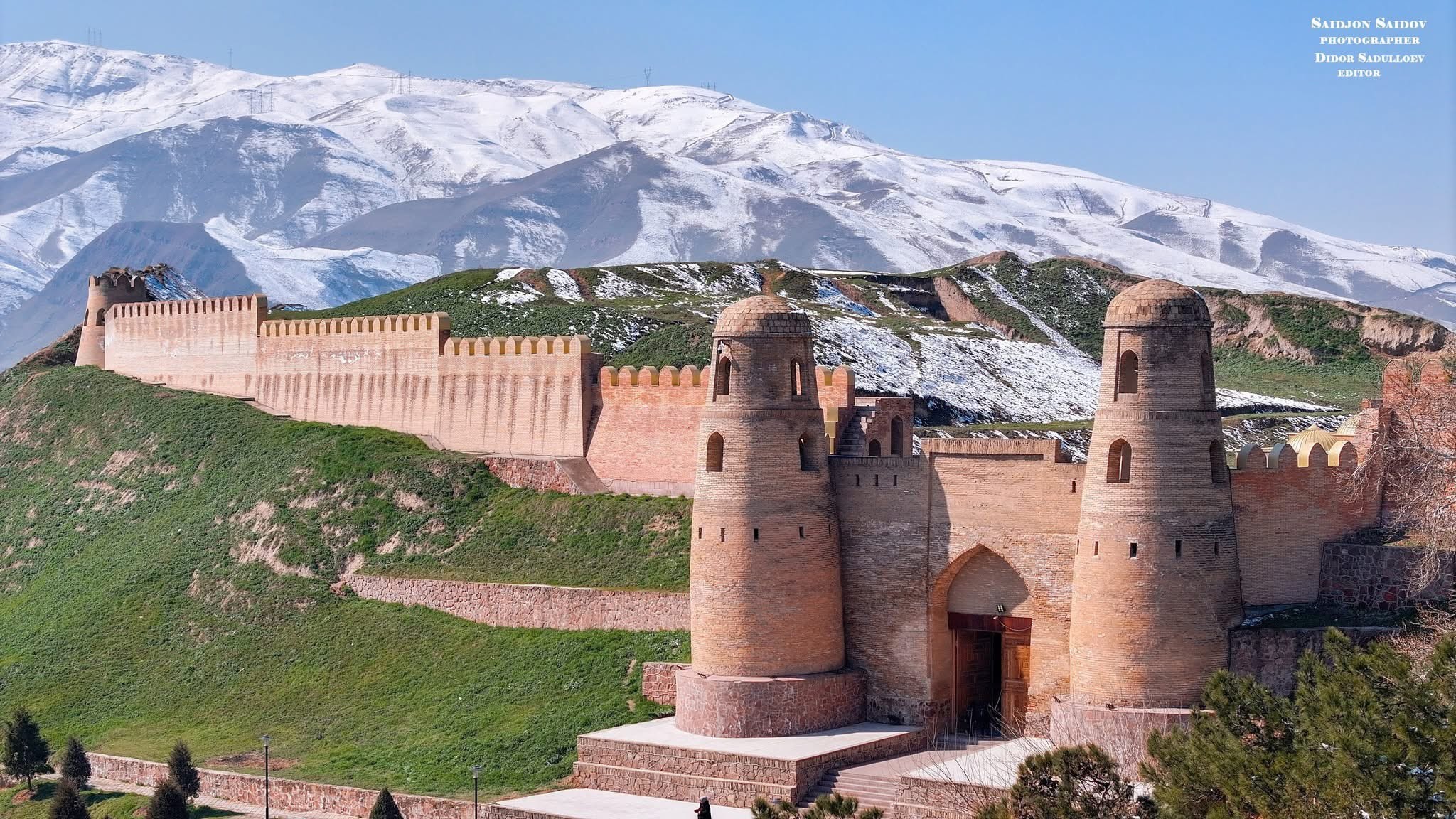
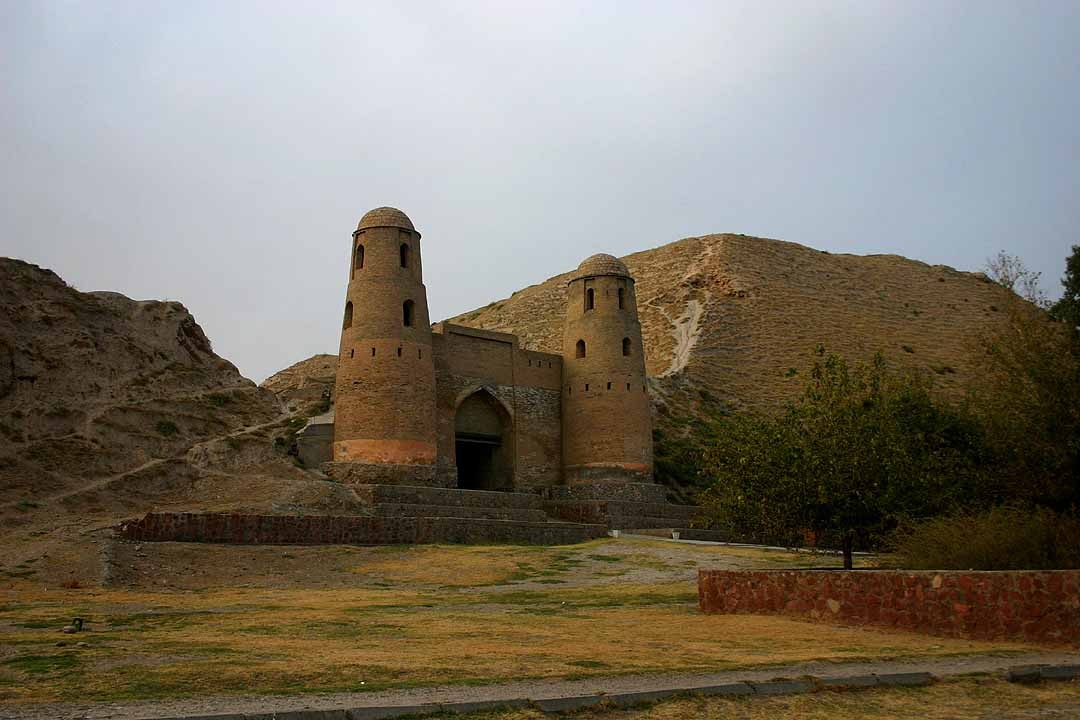
The only part of Tajikistan's ancient Hisor (Ҳисор, Tajik for "barrier") fortress that has survived all the way to the present without being reconstructed, everything from 16th century Mughals, Uzbeks and moments of independence, to post-Khan assassination decline in Bukharan power and becoming an autonomous Soviet republic, is the monumental burned-brick gates, composed of two cylindrical towers and an arch in between.
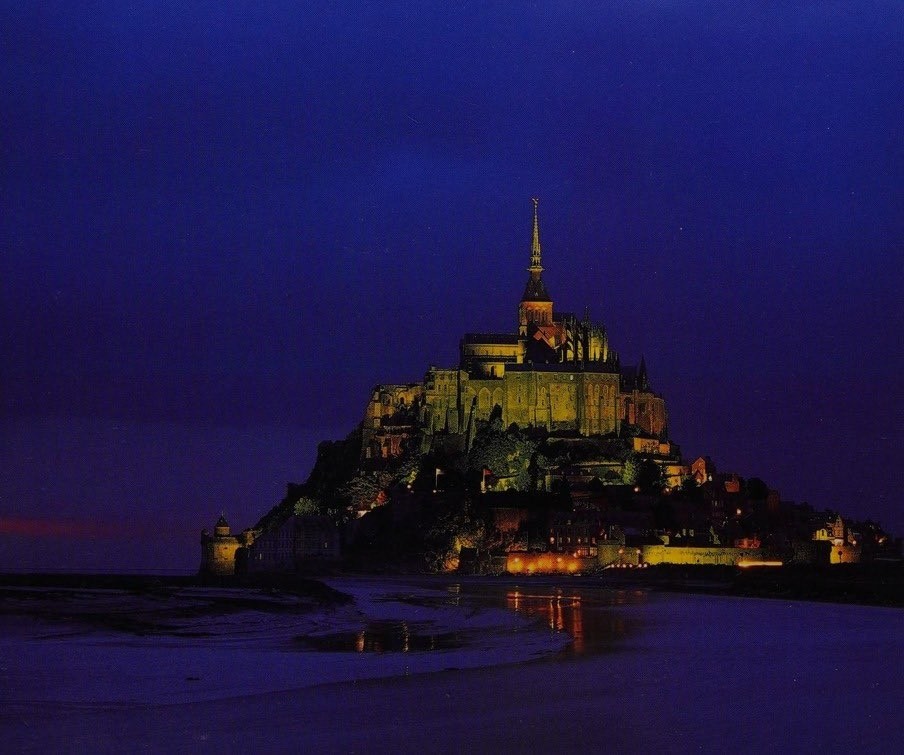
According to a legend, the Normandy commune of Mont-Saint-Michel began when the archangel Michael appeared in 708 to bishop Aubert of Avranches and instructed him to build a church on the rocky islet.
It's position--on an island just a few hundred metres from land--made it accessible at low tide for many pilgrims to its abbey, and defensible as the incoming tide stranded, drove off, or drowned threats on foot. The island remained unconquered during the Hundred Years' War. A small garrison fended off a full attack by the English in 1433. Louis XI recognised the benefits of its natural defence and turned it into a prison, which it regularly served as during the Ancien Régime.
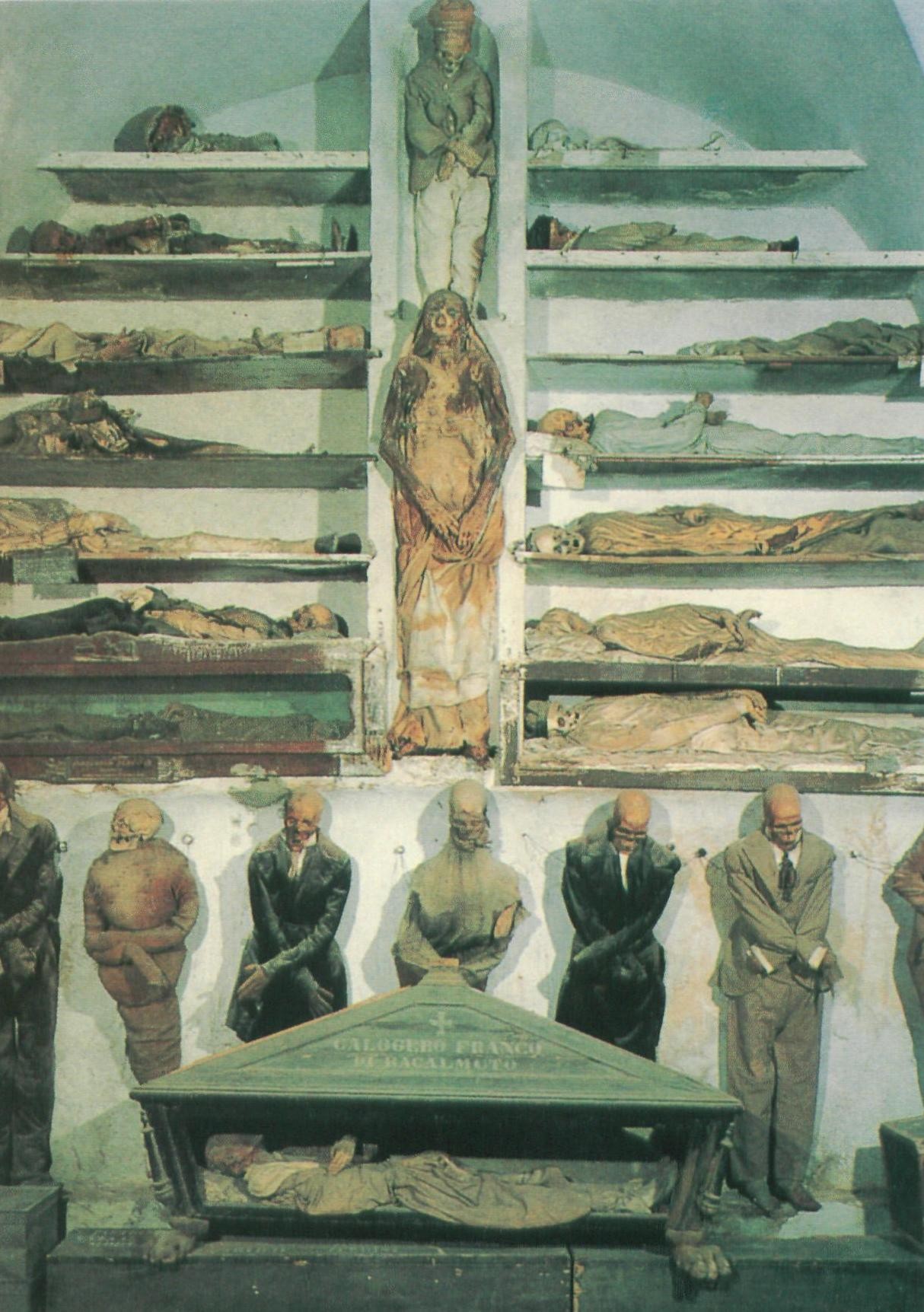
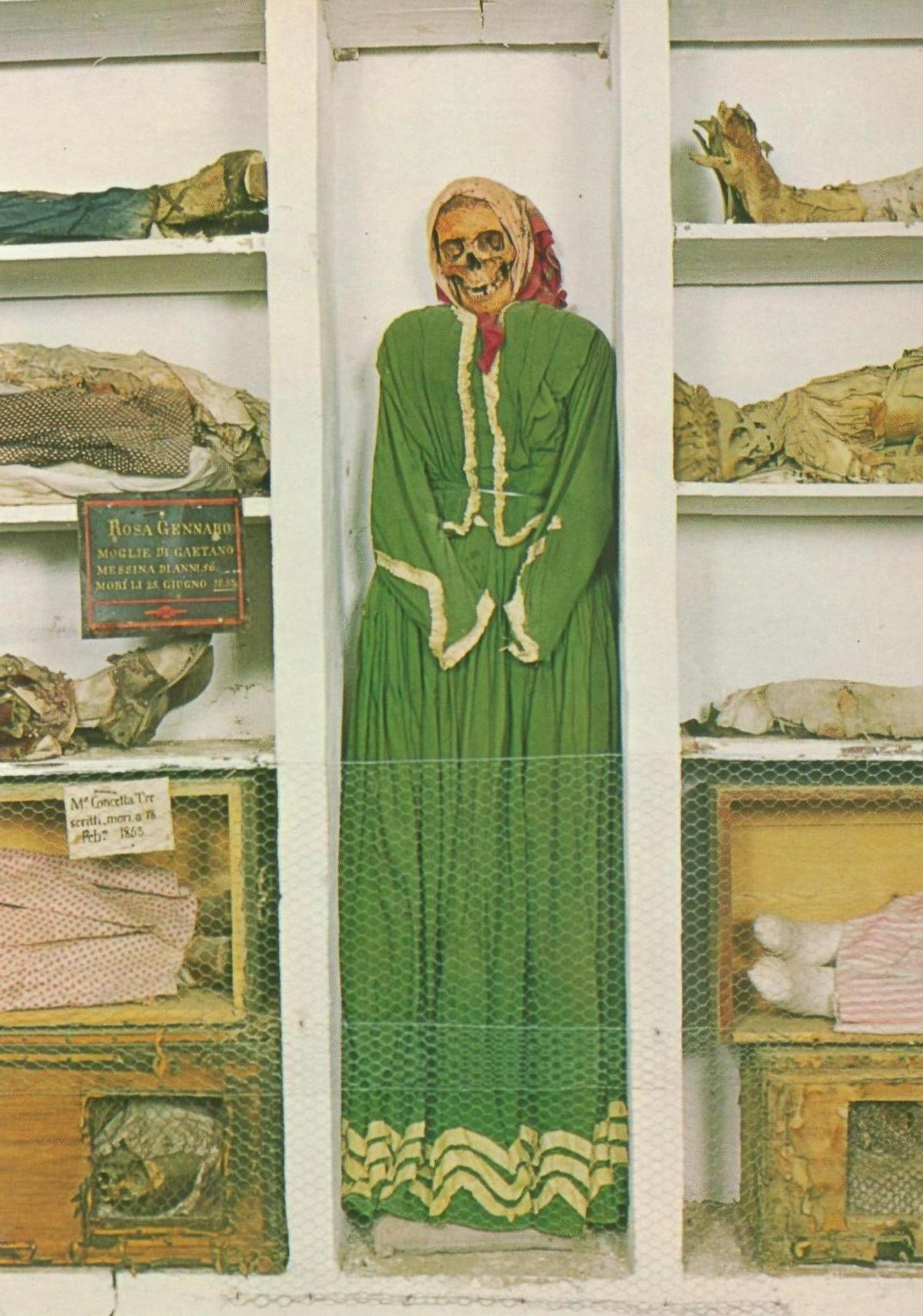
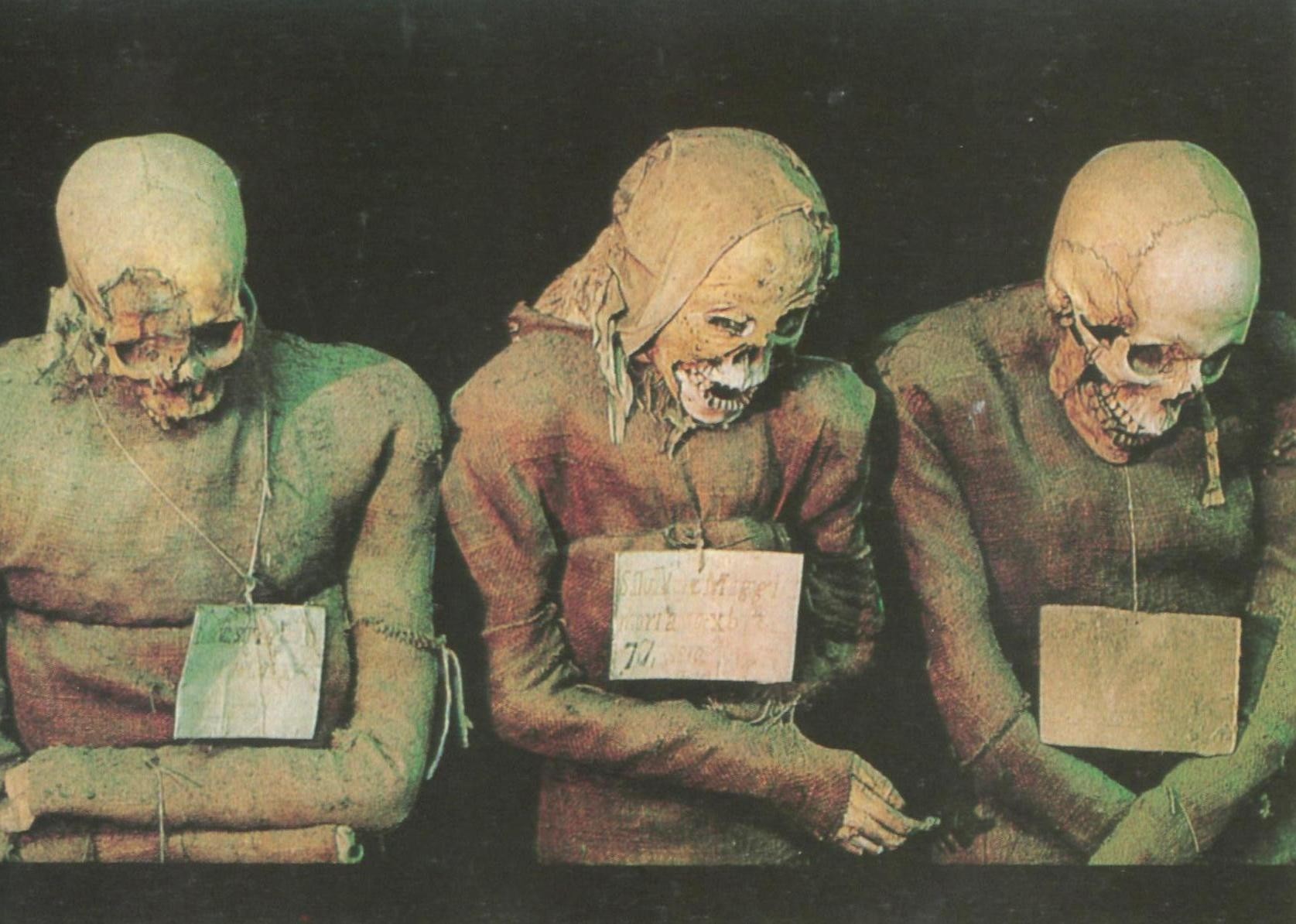
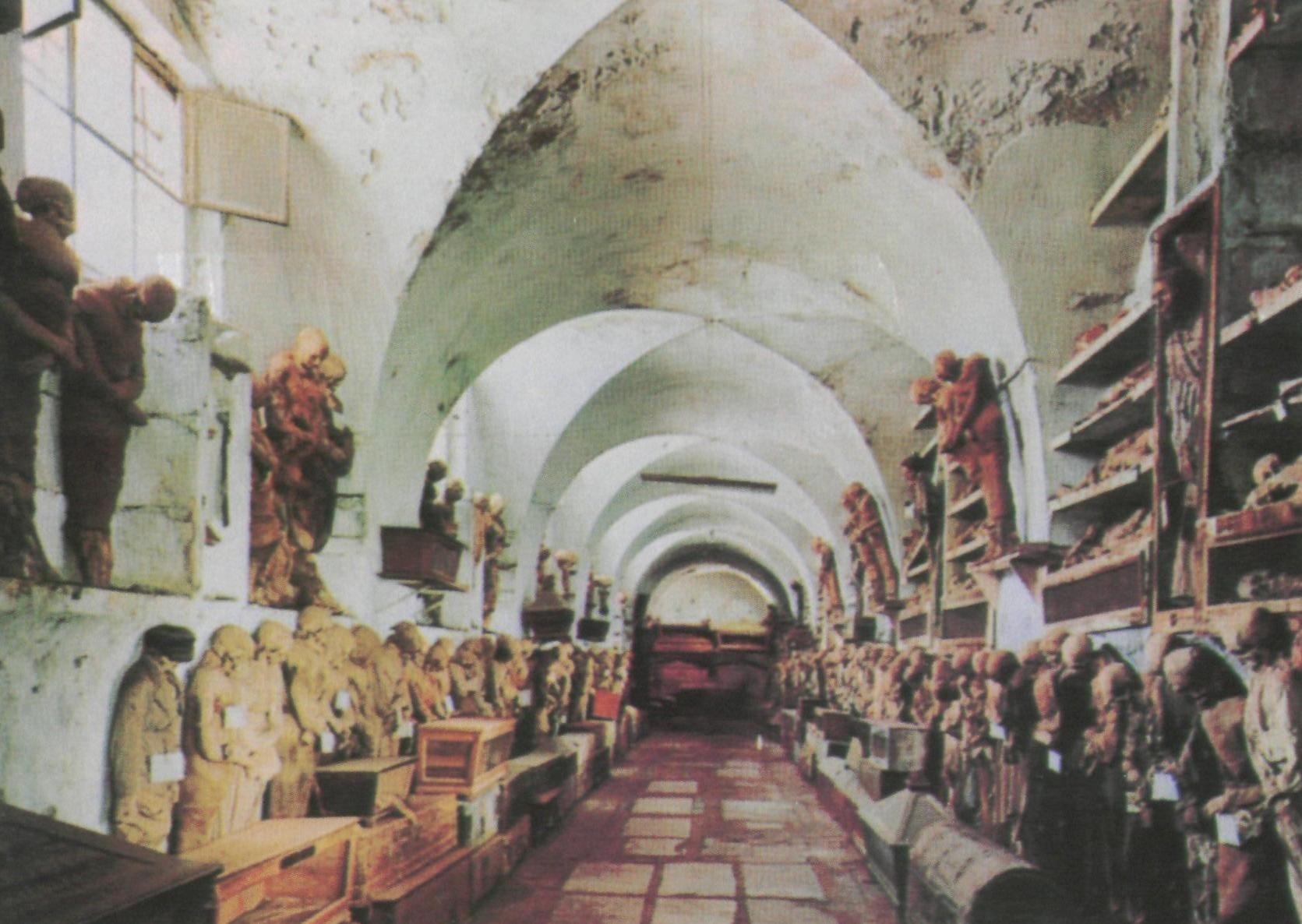
The Capuchin Catacombs (also Catacombe dei Cappuccini) of Palermo, Sicily, southern Italy. The monastery outgrew its original cemetery in the 16th century, and the monks began excavating crypts under it, eventually placing within those among them who died in the process.
They contain about 8,000 corpses and 1,252 mummies (as stated by EURAC census in 2011) that line the walls. The halls are divided by category: men, women, virgins, children, priests, monks, and professionals. Some bodies are better preserved than others. Some are set in poses; for example, two children sit together in a rocking chair. The coffins were accessible to the families of the deceased so that on certain days the family, including the deceased, could join their hands in prayer.
Initially they were intended only for deceased friars. However, in later centuries it became a status symbol to be entombed here. In their wills, local luminaries would ask to be preserved in certain clothes, or even have their clothes changed at regular intervals. Priests wore their clerical vestments, while others were clothed according to contemporary fashion.
The catacombs were maintained through donations from the relatives of the deceased. Each new body was placed in a temporary niche and later placed into a more permanent location. So long as contributions continued, the body remained in its proper place, but if relatives stopped sending money, the body was put aside on a shelf until they resumed payments.
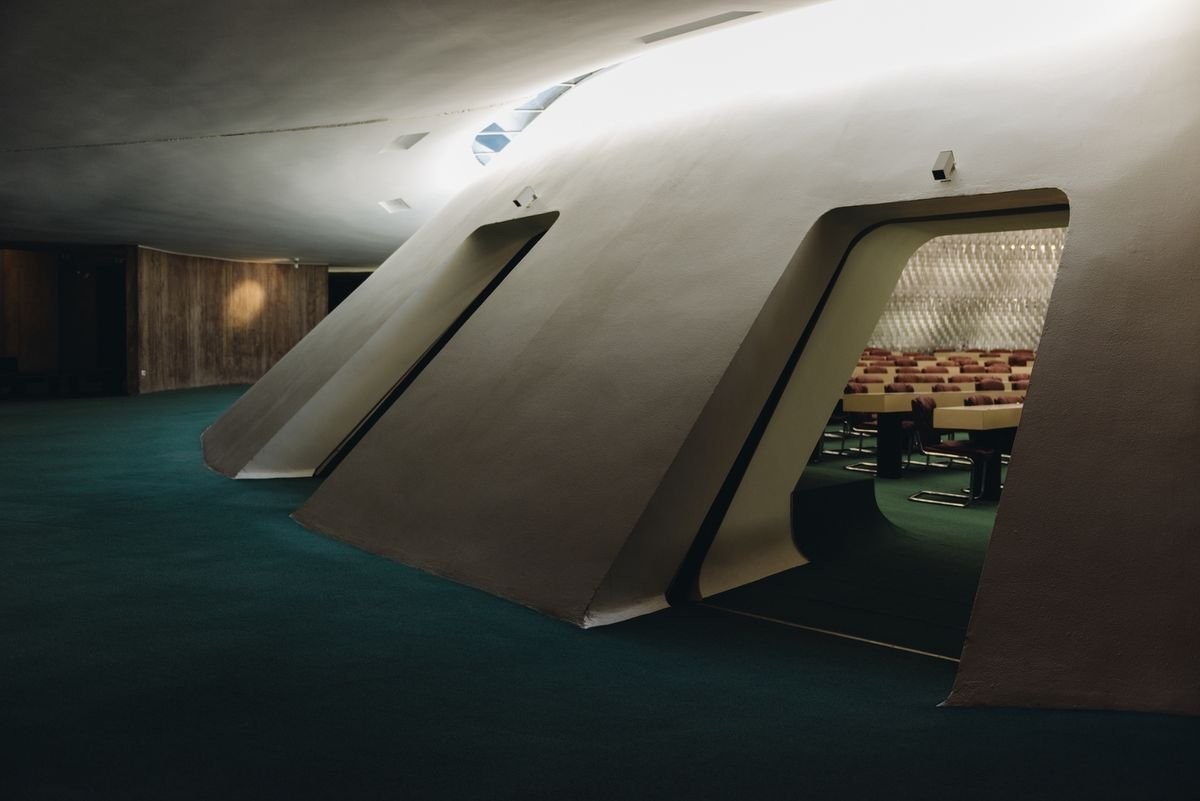
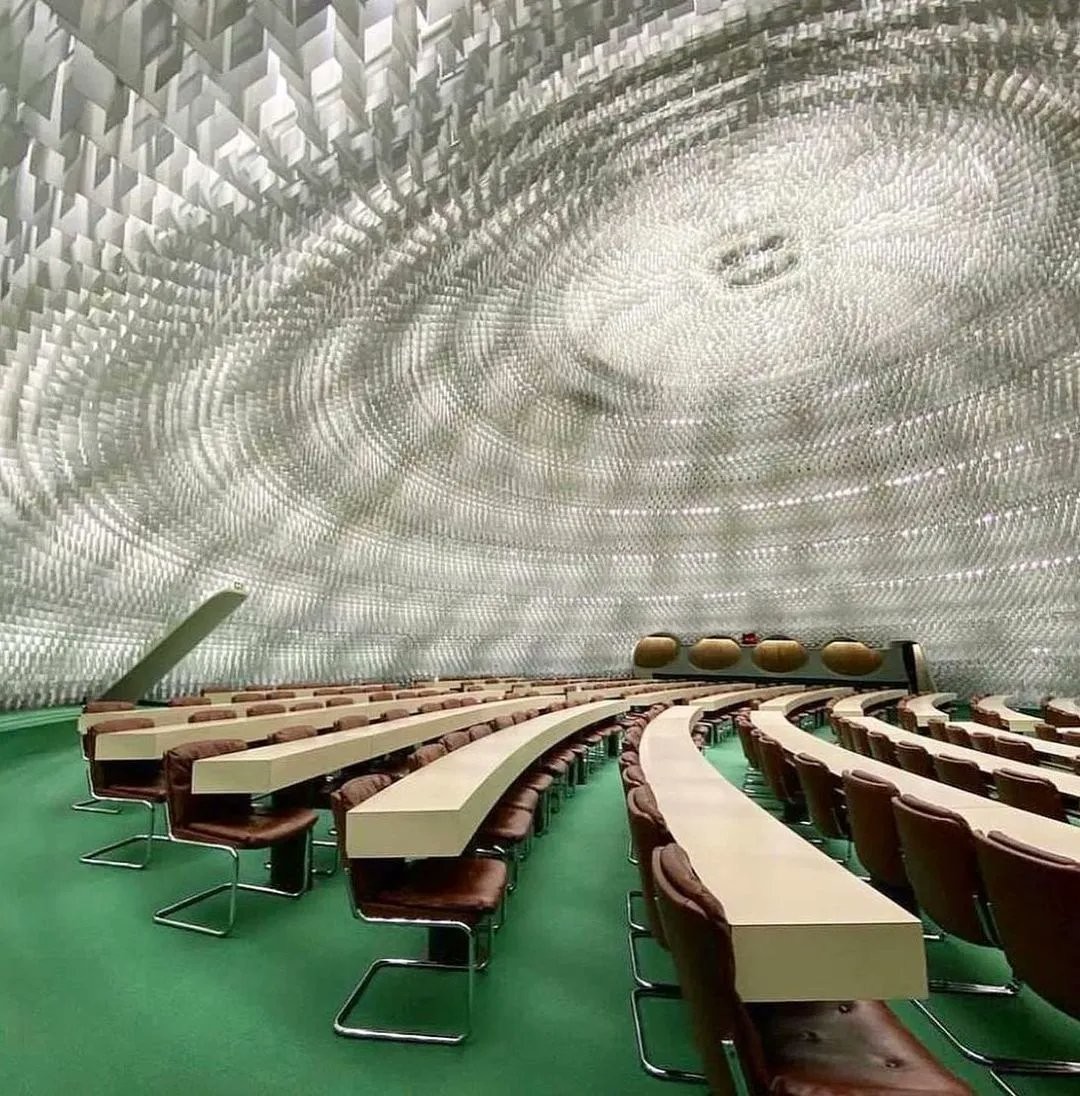
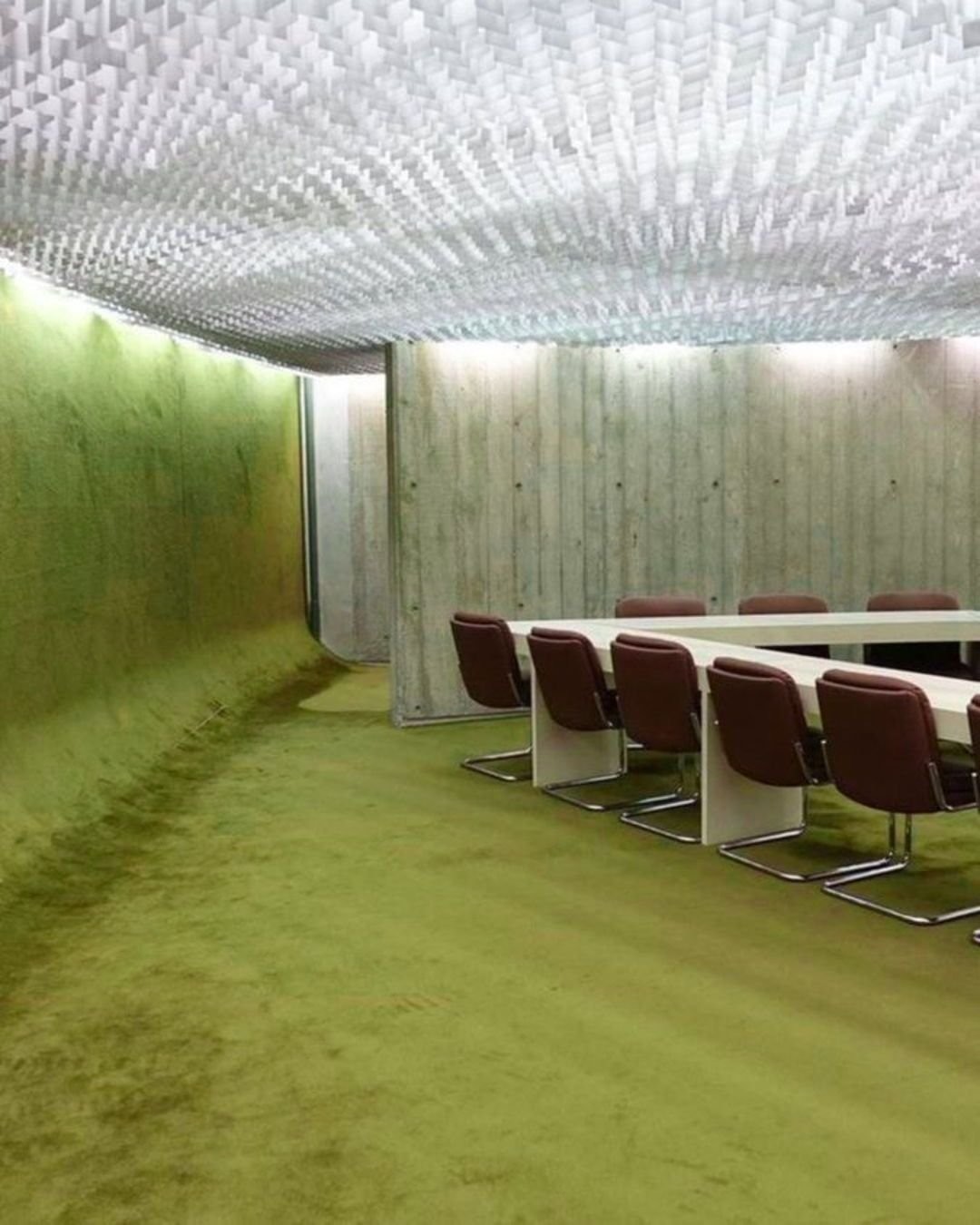
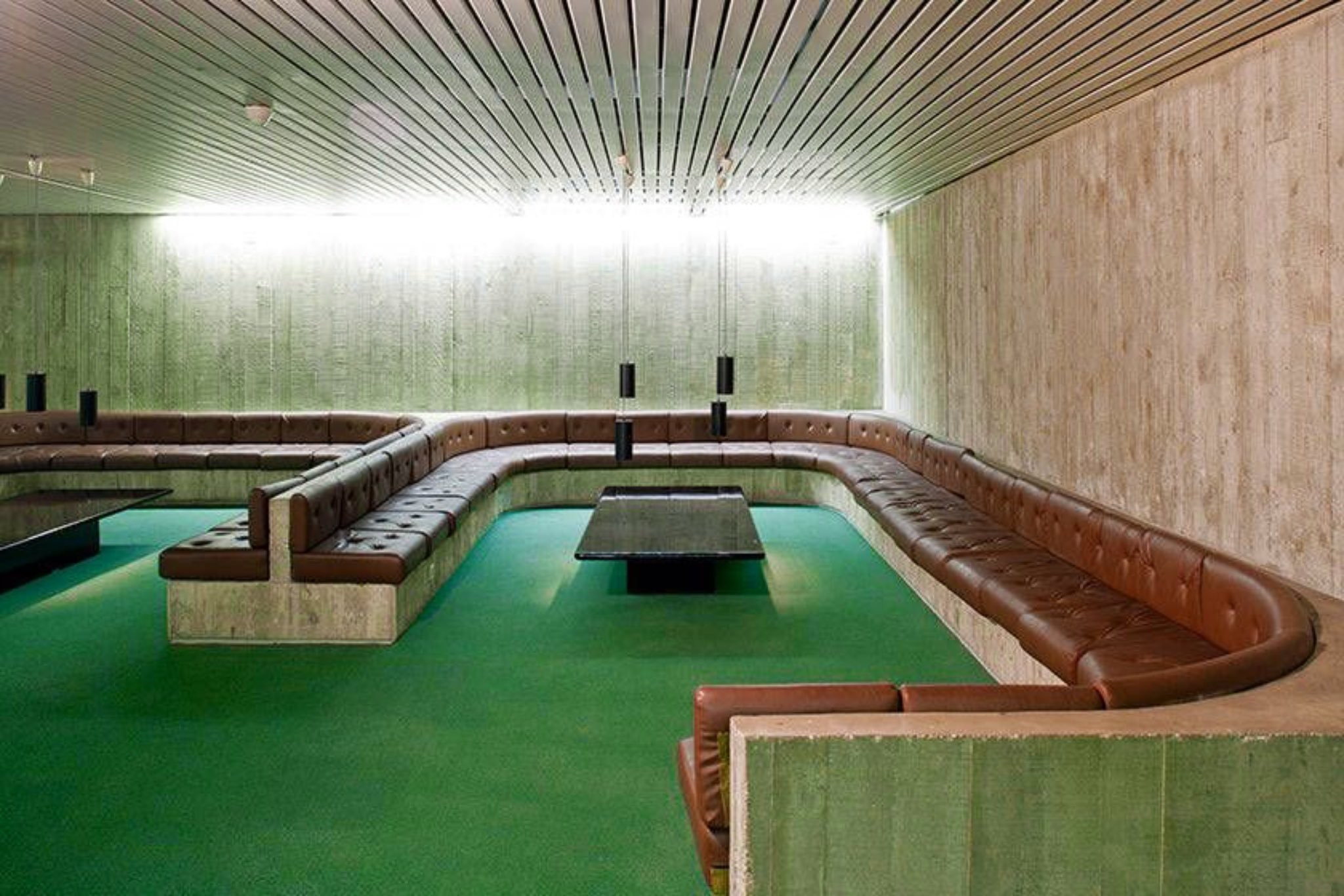
French Communist Party Headquarters designed in 1966 and not fully completed until 1980. The designer, Oscar Niemeyer, was a communist working on it while in exile to France due to the military dictatorship in his home nation, Brazil.
@detondev wow thats swanky af